


The first resilience-integration working group at NATO
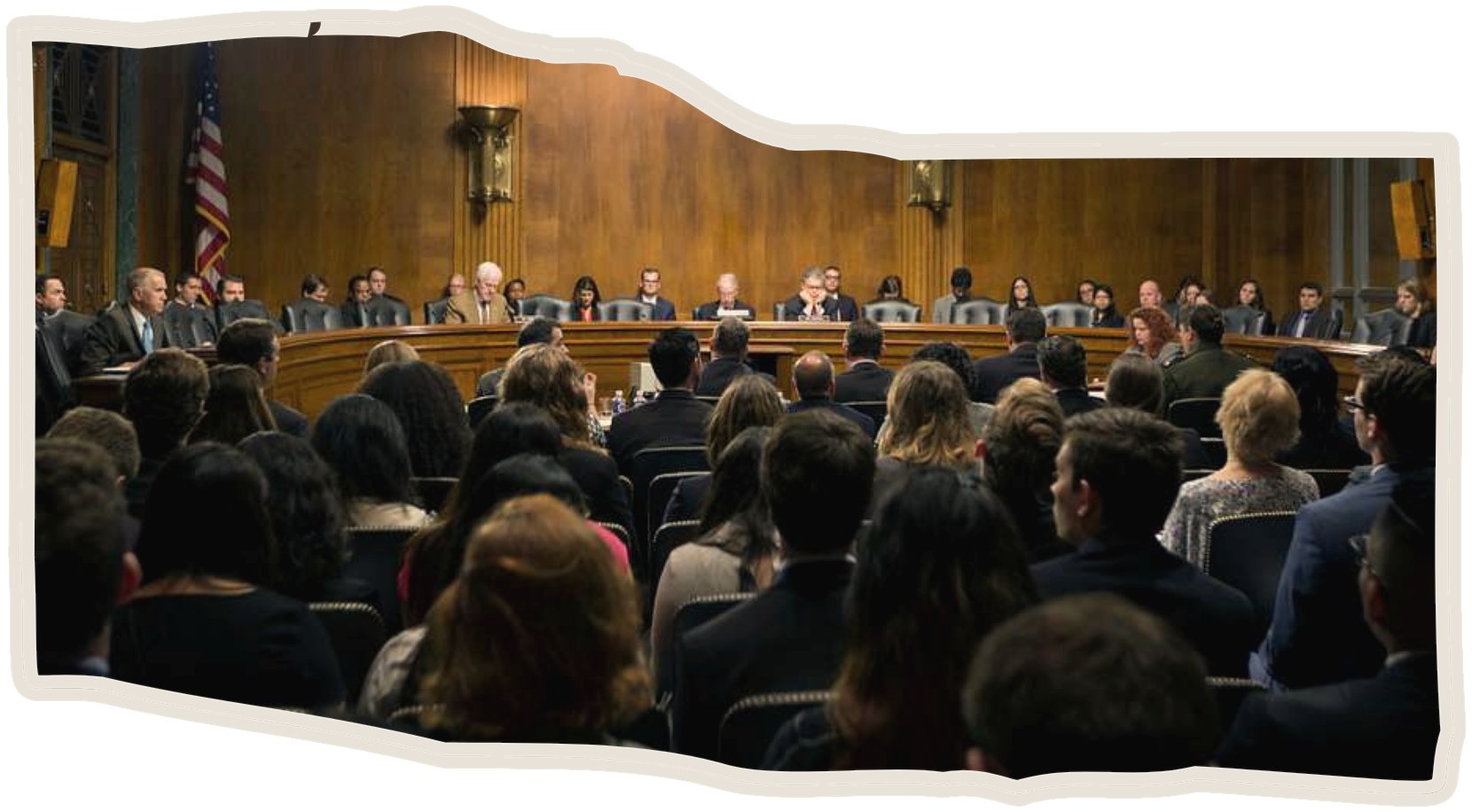
Led the first dedicated resilience-integration working group at NATO's Lessons Identified Conference. The only NGO invited to lead a working group.
This website uses cookies
Read our Privacy policy and Terms of use for more information.
Decision-making support
From frontline responders to defense and military planners, everyone in a complex crisis faces the same thing: a hard decision under pressure, with incomplete information. Crisis Lab intelligence is the decision-making support behind that call. We surface the structural vulnerabilities early, so you can prepare your community or your organization before they become the next crisis.
The difference
Every commercial platform competes on the same two things: speed and coverage. Speed, and as many sources as they can pull. More feeds, more alerts, and a promise to show you everything as fast as it happens. They tell you exactly what happened, the moment it happened. What they hand you is a wall of notifications, and the burden of working out what it means, and turning it into a decision, is still yours. It is on your desk. It is in your head.
The scarce thing was never the information. It is the judgment about what it means, the decision you have to make next, and what that decision sets in motion. A feed tells you a substation went dark. Analysis tells you whether that is weather, maintenance, or the opening move, and what to do about it before the second one lands.
Analytical depth is reading the system underneath the feed: the dependencies, the pressure points, the way one failure becomes three. That reading is the work, and it is the whole reason Crisis Lab exists.
Field operations
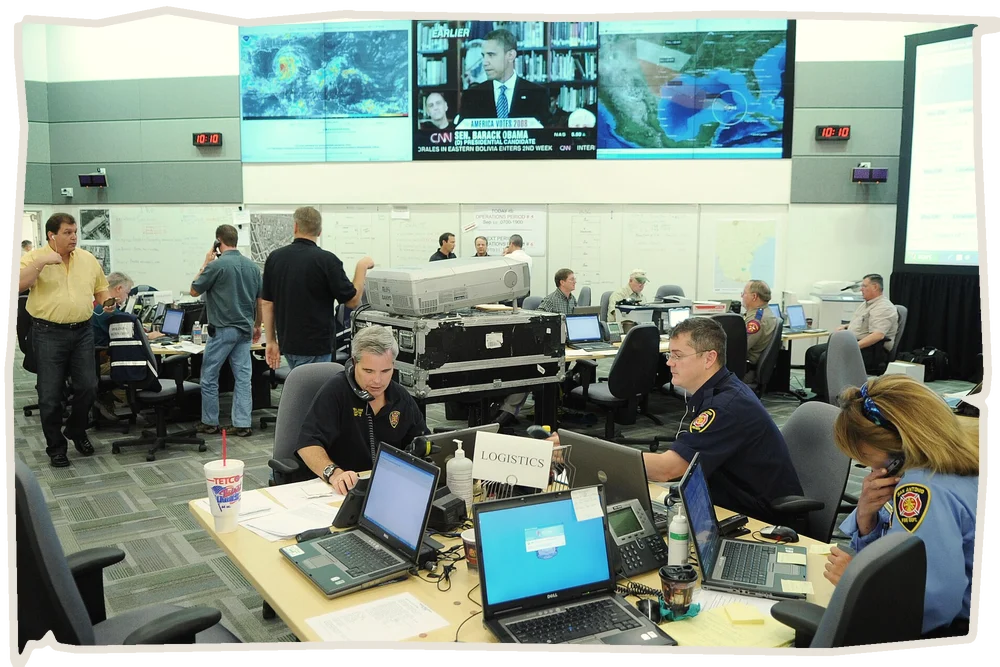
Crisis Lab is built on Capacity Building International, thirty years of field work alongside NATO, the EU, the UN, and national agencies. The analysis comes from the people who were in the room when the decision had to be made.
Led the first dedicated resilience-integration working group at NATO's Lessons Identified Conference. The only NGO invited to lead a working group.
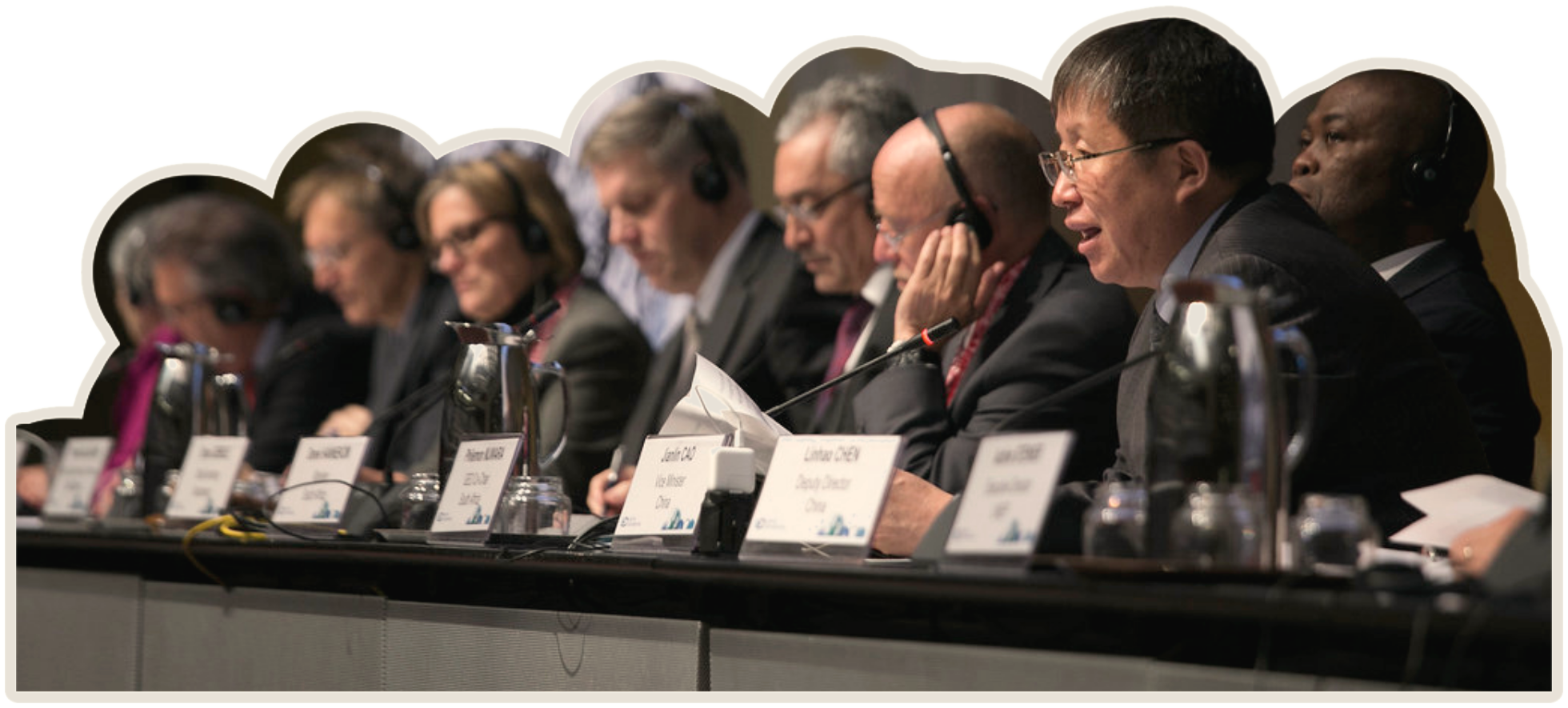
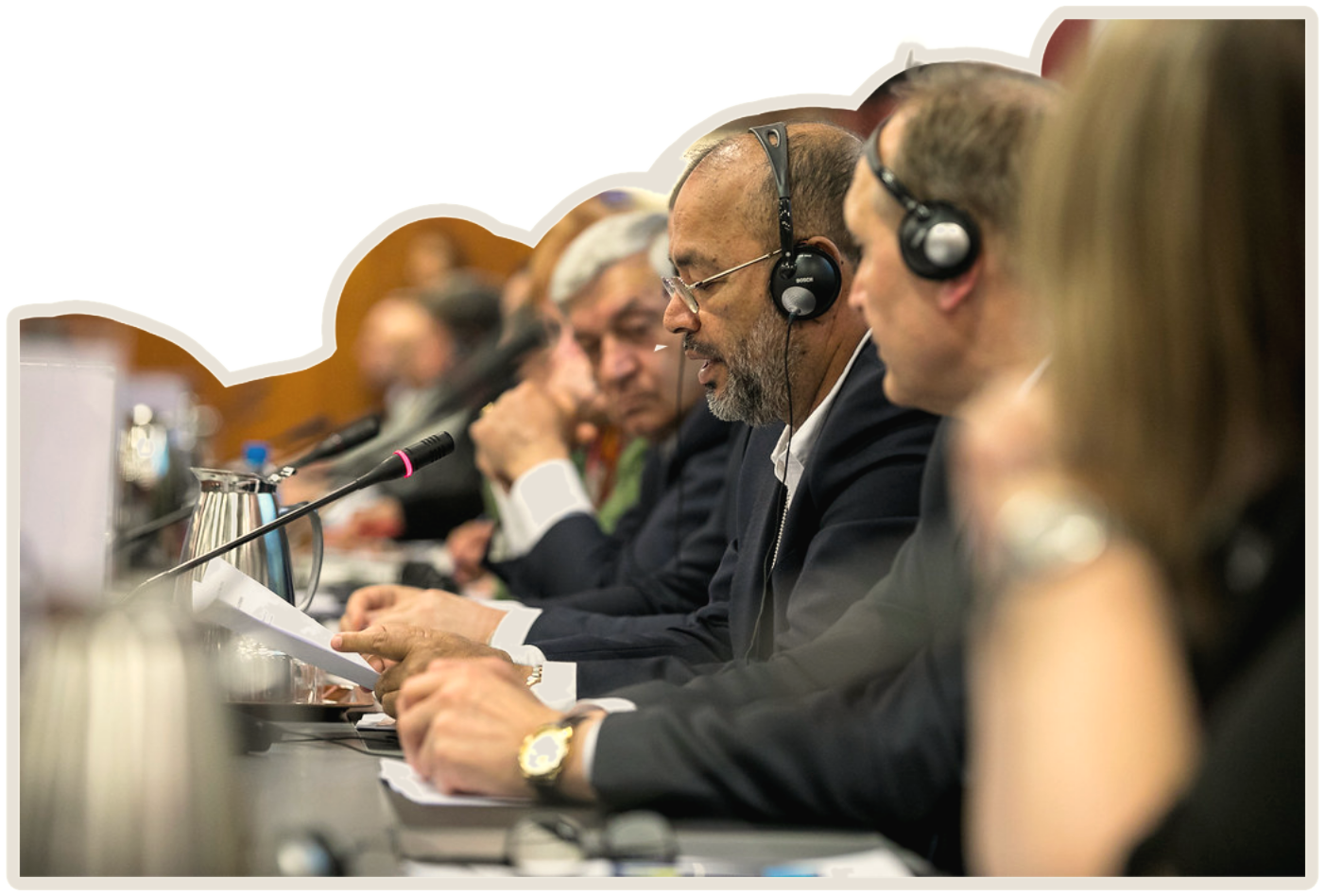
A workshop translating Ukraine's wartime continuity-of-services experience into Allied resilience planning: how a state sustains delivery under sustained attack.
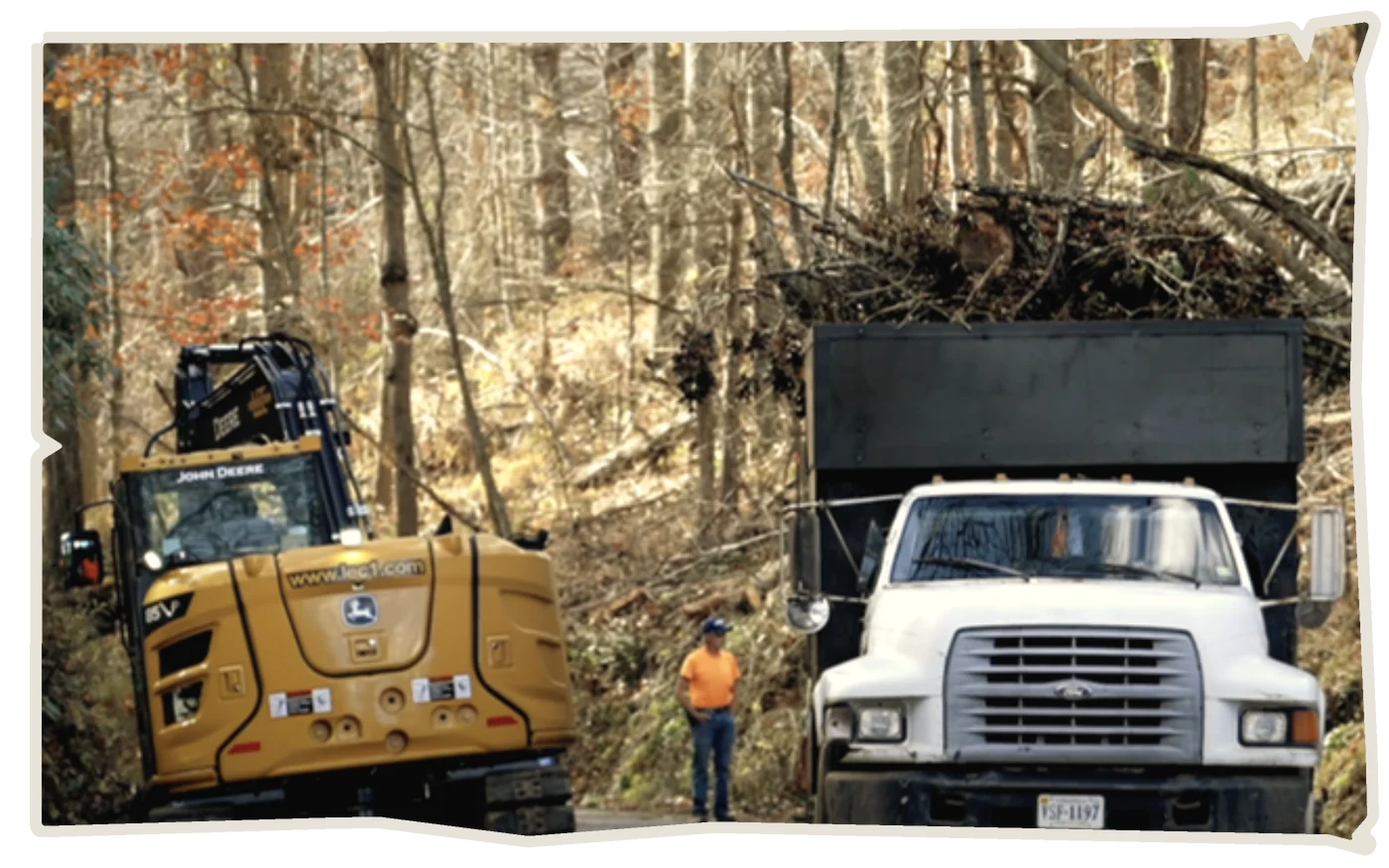
A partnership with LAPAS on the load-bearing-civilian work, building the local-resilience capacity that carries the weight when national systems are stretched.
Who we serve
From emergency management to security and defense, the people who help manage complex crisis read Crisis Lab to see the structure before it becomes the headline.
Where we question assumptions and sharpen how leaders prepare for what is next.
Every brief opens with the bottom line in plain view, so you can see how we read a problem. The full assessment, the key judgments, and the toolkit are for subscribers.
One institution, one path up. Begin with the free brief, add the full intelligence when you need to act on it, and step up to the program when you are accountable for the decision.
Powered by Crisis Lab: enterprise and institutional access. Contact us.
This is not a technology problem. Two things matched exactly what I’ve seen in the field: assessing reach, and decision reluctance under pressure.
Fantastic course with really great overviews and accompanying support documents. I would recommend this to anyone who is an emergency management professional, or someone who wants to understand how NATO is organized and operates in crisis and disaster scenarios.
Crisis Lab is on the front lines of crisis management around the world, strategic implementation, and innovation. I was so pleased working with them and would do so again, anytime.
Free · No credit card · Unsubscribe any time